

Perceiving Preppiness
Thoughts on school uniforms, super rich kids and whether it's more rock and roll to wear Ralph Lauren or Jeremy Scott.

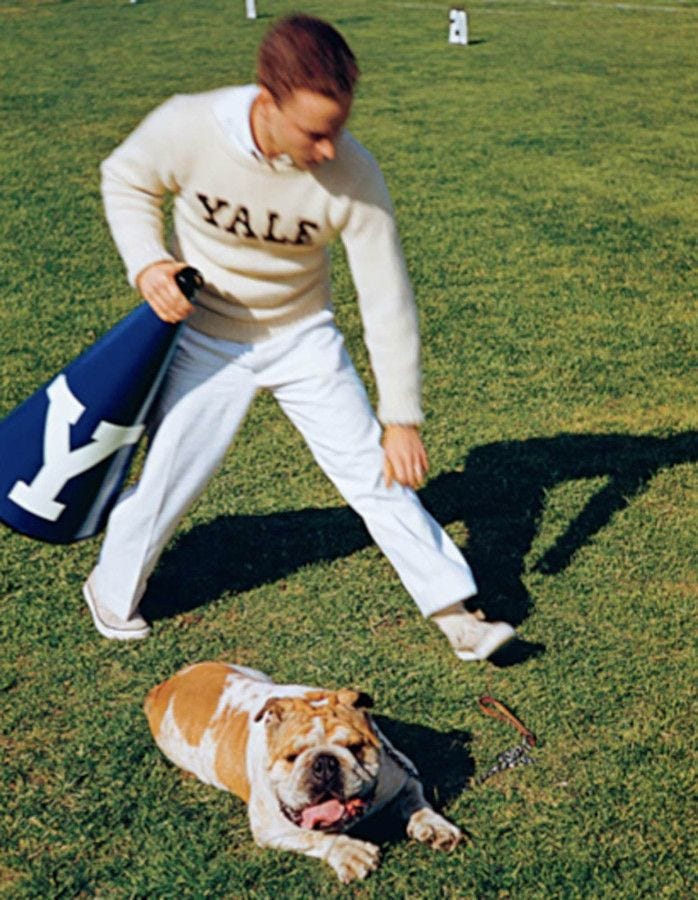
When I was 13, I became fixated on the idea of emulating a so-called “preppy” style. Whether it was discovering Gossip Girl or watching my older brother, whom I idolized, join a fraternity— I decided that this was just the rebrand I needed before my freshman year of high school. Though “preppy” has come to mean many things over the years, the topic today is the traditional “Ivy League preppy” look, which has its roots in the Northeastern U.S. circa the 1950s. Ivy League colleges, along with earlier styles from England, helped cement preppy fashion’s strong associations with class, wealth, and at times, one’s own character.
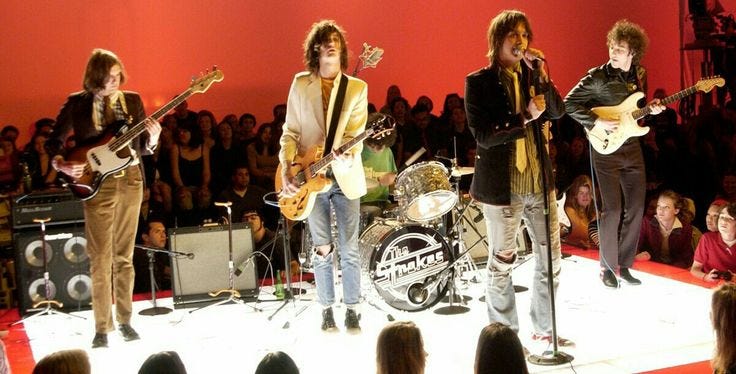
Interestingly, this connection between preppy style and privilege isn’t always as clear-cut as it might seem. One example that fascinates me is the band The Strokes. At first glance, early 2000s photos of the band show a group of disheveled yet undeniably cool 20-somethings in ripped jeans, t-shirts, untucked button-downs, and loosened neckties. They hung out in dingy bars, appearing anything but clean-cut. But the irony is that Julian Casablancas, the frontman, was the son of a wealthy modeling agency mogul, and he met rhythm guitarist Albert Hammond Jr., the son of a successful musician, at the prestigious boarding school Institut Le Rosey in Switzerland. Despite their elite upbringing, they fully rejected it in their style, attitudes and the music they made. In fact, The Strokes became icons of messy, alternative coolness.
Rejecting this style in their clothing choices didn’t always just mean wearing the opposite of whatever “preppy” meant at the time, but they often combined more traditional “preppy” silhouettes with their trademark rock band disarray. Take, for example, the military-esque blazer Julian Casablancas wore during the MTV $2 Bill performance which he paired with what appeared to be very authentically destroyed jeans. It’s clear they knew the only way to be taken seriously in the indie-sleaze scene in New York at the time was to blend in with the people they admired, not stand out as privileged boarding school kids.
In contrast, you have bands like Vampire Weekend, who met at Columbia University, a bona fide Ivy League school, and embraced this WASPy fashion far more than their contemporaries. Vampire Weekend’s members didn’t just wear stereotypical preppy clothing, they integrated Ivy League aesthetics into their music and album art. Frontman Ezra Koenig often sported vintage Ralph Lauren and Lacoste, giving off a quintessential “fuck you, my dad’s a lawyer” vibe. From the album cover for Contra, which features a woman in a white Ralph Lauren polo shirt, to lyrics referencing torching Saabs, the Kennedys, diplomats’ sons and the ladies of Cambridge– the band in its entirety leaned heavily into this aesthetic. At times, there seem to be tongue-in-cheek contradictions in their songs, like calling Hyannisport, Massachusetts "a ghetto" or the term "prep-school gangsters," or rejecting pretentiousness by asking “who gives a fuck about the Oxford Comma.” This makes me question if it’s all a ruse to slyly poke fun at the genre of style, but if that is the case, then they sure made it their whole identity– and for over a decade now.

What’s remarkable is that while The Strokes rejected their privileged background, Vampire Weekend leaned into it, seemingly unabashedly. I think Ezra and the band embraced the attention their style and lyrics garnered (good or bad) because they were less concerned about fitting in with a subculture than The Strokes were. They didn’t mind being labeled as Ivy League types, probably because they were, and they chose to wear it proudly.
Attending a private Catholic school from ages 4 to 18, I myself wore a private school uniform that embodied this style. Our uniforms were pleated navy-and-white houndstooth skirts, white button-down shirts, loafers, and cardigans, with the boys wearing khaki pants, button-down shirts, belts, and leather shoes. On mass days, we dressed up more.Girls wore cardigans or sweaters, and boys donned ties and navy blazers. What’s interesting about my school is that it wasn’t a typical upper-class private school. Due to the unique way our diocese was funded (tithing from active parishioners funded tuition for everyone), students came from a wide range of socioeconomic backgrounds. Some were on free or reduced lunches, with parents working multiple jobs, while others came from more affluent families. But one thing remained consistent: we all put on the same clothes each morning.
Over the years, I’ve heard classmates share stories about negative comments they received while wearing their school uniforms outside of school. I also noticed the looks people gave me when I had to run errands after class. It wasn’t that I disliked my uniform (I actually thought it was cute), but I dreaded the unwanted attention it sometimes drew. Most often, it came in the form of glares from passersby who assumed I was living up to the snobby rich kid stereotype. There were also the stares and comments from men, (which ties into the fetishization of Catholic school uniforms on girls—another topic for another time). While I can’t entirely blame people for their assumptions, it’s clear that this style of uniform has become a symbol of privilege, whether or not that was accurate for my classmates, which in most causes, it was not.

The timelessness of Ivy League fashion is undeniable. Few styles have endured as long as this one. Recently, I’ve noticed traces of it in contemporary aesthetics— like the renewed fascination with Carolyn Bessette Kennedy’s simple, clean, and effortless style. I even see traces of it in the “clean girl” aesthetic that is so popular on TikTok. What’s interesting to me is how polarizing this look is. Unlike other divisive styles that seem a bit more jarring, (think true 90s mall-goth), Ivy League preppy fashion seems to trigger something similarly reactionary despite being much more palatable to a wider audience. Maybe the negative reaction comes less from a hatred of the visual aesthetics of the style, and more from an underlying envy of what it represents.
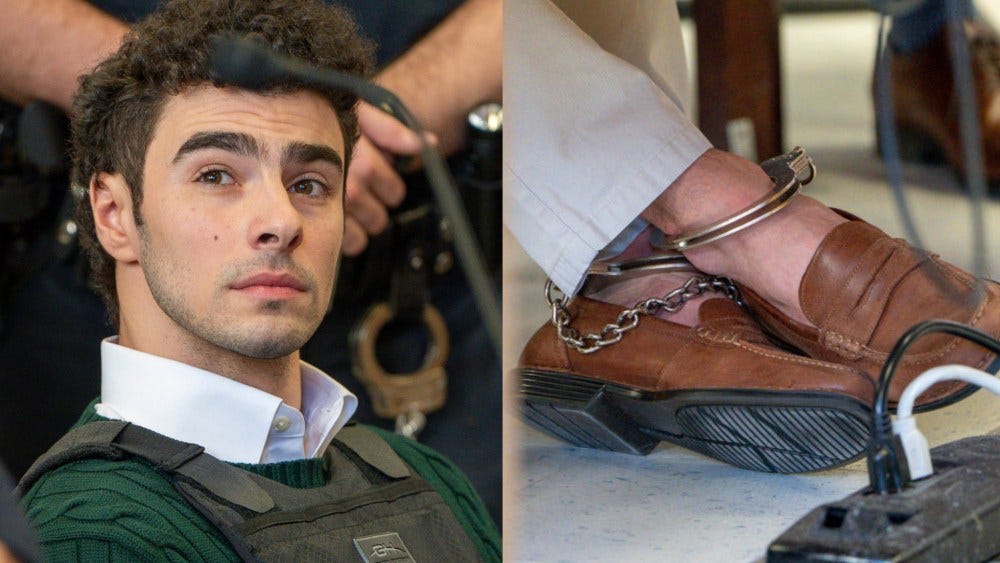
This polarization is why I’m fascinated by the choice to wear this style of clothing in sensitive public situations. Take, for example, Luigi Mangione, the alleged murderer (and TikTok edit sensation), who has been seen wearing quintessential preppy clothing to his court hearings. His first look— white button-down, maroon sweater, and khakis— seemed basic enough, likely his lawyer’s attempt to present him as a respectable, “take him home to mama” type. But more recently, when Mangione showed up in khakis, a white button-down under a forest-green cable knit sweater, and nice leather loafers, it seemed like there was a theme. Why lean into the preppy aesthetic, given its divisiveness and the charges against him? It’s tricky, because this style can either evoke intelligence, status and being put-together, or it can evoke that one snobby rich kid you went to high school with that everyone hated. I assume the goal with Mangione is to make him appear intelligent and sophisticated—but it seems like it could be risky considering his wealthy family and Ivy League background.
Whether you love or hate the Ivy League look, its cultural impact and timelessness are undeniable. With bands like The Strokes rejecting it and Vampire Weekend fully embracing it, we saw a shift in the 2010s– where maybe, for a fleeting moment, it was cooler to look like you stepped off Harvard’s campus on a spring day than it was to look like you just got off stage at a garage rock show. Wearing my own school uniform for years, in a situation where the class connotations didn’t always reflect my classmates’ situations, made me reflect on these ideas more deeply— and to find a kind of appreciation, honestly, for the power that this style seems to hold. It can either make people love you or hate you, without you having to wear anything particularly attention-grabbing or unique.
The perception of preppy style will continue to evolve, I’m sure, just as it has over the past 75 years, especially as it intersects with modern notions of wealth, power, and social expectations.
Until next time, don’t trip on your loafers on the way out. ;)
-Lizzie
Sources: